
The painstaking process behind reviving Solberg's Subaru WRC steed
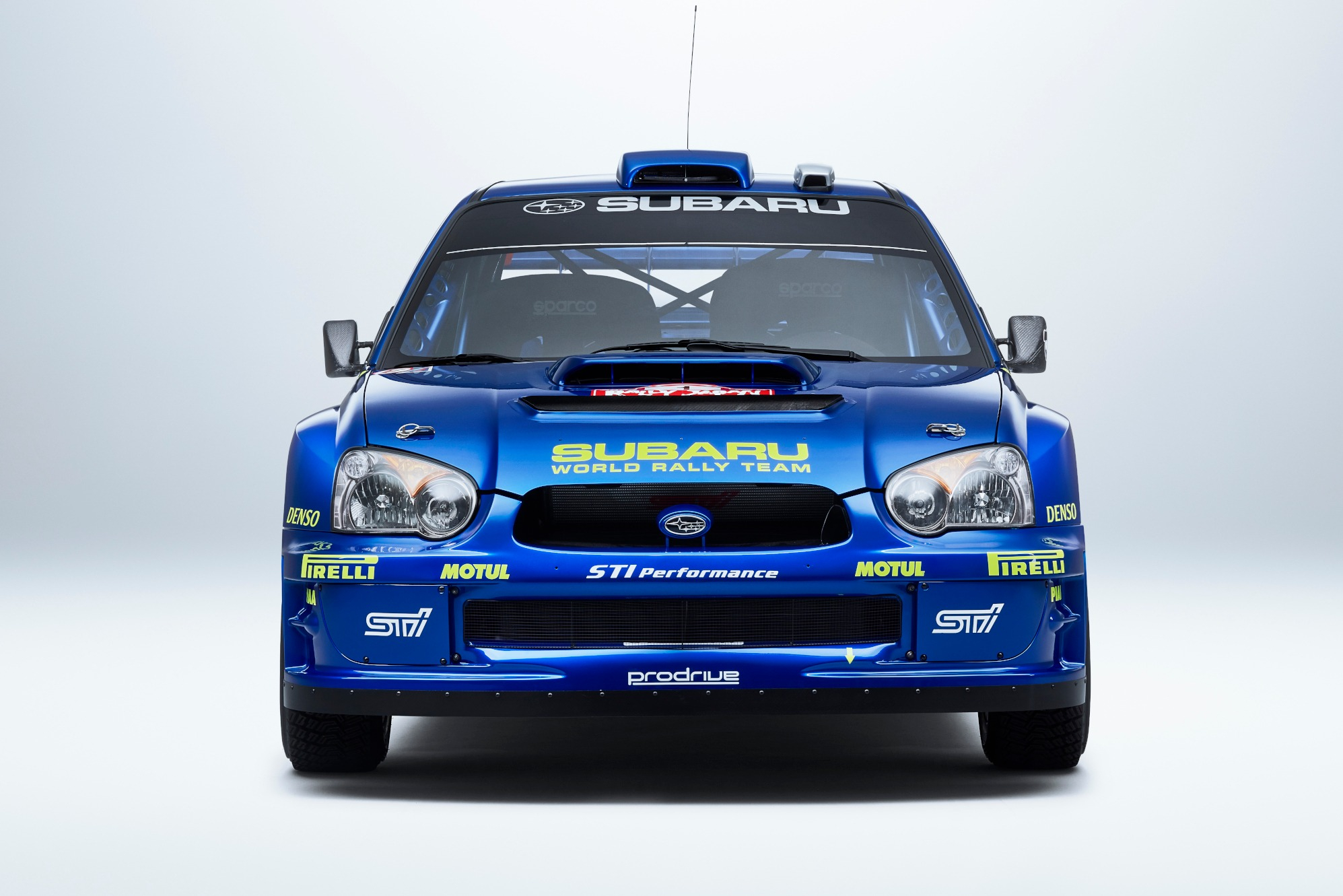
With attention to detail the first concern, Prodrive’s new Legends department has completed its first restoration project on Petter Solberg's 2004 Rally Japan winner – and is busily gearing up for more

Engineering
Our experts' guide on how you can become a better racing driver
Toyota, Subaru and Mitsubishi passed around the baton for Japan to win a mighty seven World Rally Championship manufacturers’ crowns in a row between 1993 and 1999. Yet the Land of the Rising Sun would wait another five years before making its debut on the WRC calendar. Little wonder, when that time came, that so many of Subaru’s top brass turned out to watch their reigning champion Petter Solberg take to the rough stuff on the island of Hokkaido.
The Norwegian needed to bounce back aboard his Impreza S10, having suffered a massive crash on the preceding Rally Germany to cause a third straight retirement. His response for the inaugural running of Rally Japan in 2004 was emphatic. He and co-driver Phil Mills carved out a 10-second cushion on the opening Yam Wakka route alone and ruled the roost from there. Over the remaining 26 narrow and high-speed gravel stages, they pulled out an eventual 1m13.3s margin to the Citroen Xsara of Sebastien Loeb in second place.
That triumph represented the eighth of Solberg’s 11 WRC wins and the 42nd for Subaru on what was “probably the most important single rally we’ve ever done”, said the manufacturer’s team principal David Lapworth at the time.
Whereas persistent gearbox unreliability stymied the attack of the Peugeot 307s in Japan, Solberg and his Impreza ran without fault. The reward for that car, chassis 04008, was a full strip and rebuild at Prodrive’s Banbury base. It was then freighted to Australia for the season finale. Down under, Solberg clattered a rock and broke the steering to slide into retirement. After that unceremonious end to its top-flight service for the works team, over the next 15 years 04008 ended up in the hands of privateer squads and private ownership.
In that time, Andy Brown was re-recruited by Prodrive as its heritage projects manager to lead the team of technicians behind the fresh-faced Legends operation that specialises in restoration. Brown first worked with company founder David Richards in 1986, fettling Porsche 911s at the original Silverstone headquarters to do battle in the Middle East Rally Championship.
He then looked after the BMW E30 M3s, with driver Bernard Beguin leading the charge in France, Patrick Snijers plying his trade in Belgium and Italy, while Ari Vatanen was at the wheel for the 1000 Lakes Rally in 1988. Stints with General Motors, Ford and with multiple national rally champion David Higgins took Brown to the US and Australia before Paul Howarth, a 30-year Prodrive veteran and current operations director, asked him back to Oxfordshire.
Come 2019, a Dutch collector was on the phone to Prodrive, wanting to buy a car with a winning history. Chassis 04008 was located in Ireland and brought over for an exacting rebuild, the completion laying the groundwork for the full launch of Prodrive Legends.
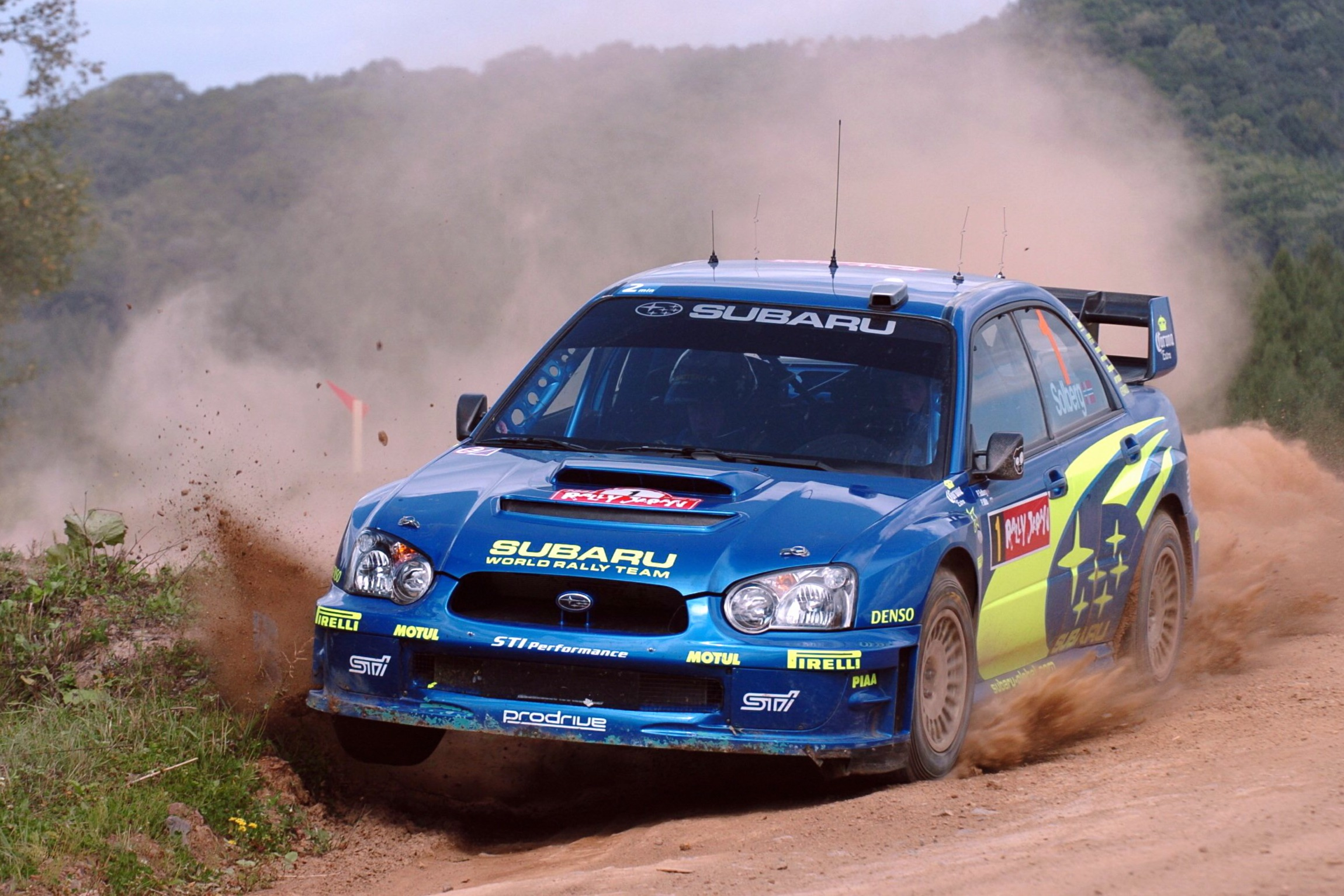
Petter Solberg, 2004 Rally Japan
Photo by: Motorsport Images
“We did the S10 as a case study to see how the process went and whether it was something we wanted to pursue,” Brown says. “So many people have got ex-Prodrive cars sitting around. Now they know we offer this Legends service, and the way the market has gone and the value of the cars, it’s really worth investing in restoration.”
The first part of the Prodrive Legends service is to verify the car and its life story. In a world where provenance goes a long way to dictating price, some have been known to spuriously fabricate Colin McRae competition history. Brown and his small team have already carried out 10 of these ‘lie-detector tests’ and have another 15 on the books. From that they can determine the precise specification of the car in question, and then make sure it tallies with all the original build sheets that have been retained. As Brown explains: “All those documents and transport and movement schedules are noted in the customer’s full report, which is just adding to the value of the car and guarantees its authenticity.”
"We’ve got all the computers to be able to communicate with the car, to remap the engines if we want to make them more user-friendly" Andy Brown
Prodrive Legends sent the good news to the Netherlands that the owner was in fact dealing with Solberg’s pukka Impreza, and so came the green light for the full restoration, with instructions to return it to the crowning Japan set-up. The shell, 15% lighter than its 2003 predecessor to provide a lower centre of gravity, was stripped and shotblasted to reveal any body repairs that might be required. Luckily, cosmetic touch-ups were the order of the day – a fair reflection of 04008’s continued use in national rallies over the years.
Not mistaking patina, which tells the life of a car, for plain old wear and tear, the stone-chipped underfloor and arches were retained. A fresh floorpan could have been made, but instead welding was done only where essential to ensure the S10 didn’t morph into ‘Trigger’s broom’.
Easing the first Prodrive Legends project, the Impreza had survived its life across the Irish Sea without being converted to right-hand drive, meaning no major adaptations to the cockpit or bulkhead. Then it was over to the jig to make sure the chassis was 100% straight before the process of piecing it all back together could begin.
The bucket seats were sent to Sparco in Italy to have the names of Solberg and Mills stitched into the backrests. Closer to home, the four-way adjustable Sachs suspension was crack tested, replated and built up with new bearings, bushes and seals. The Alcon brake calipers were restored; the discs and original-but-leaky fuel cell replaced.
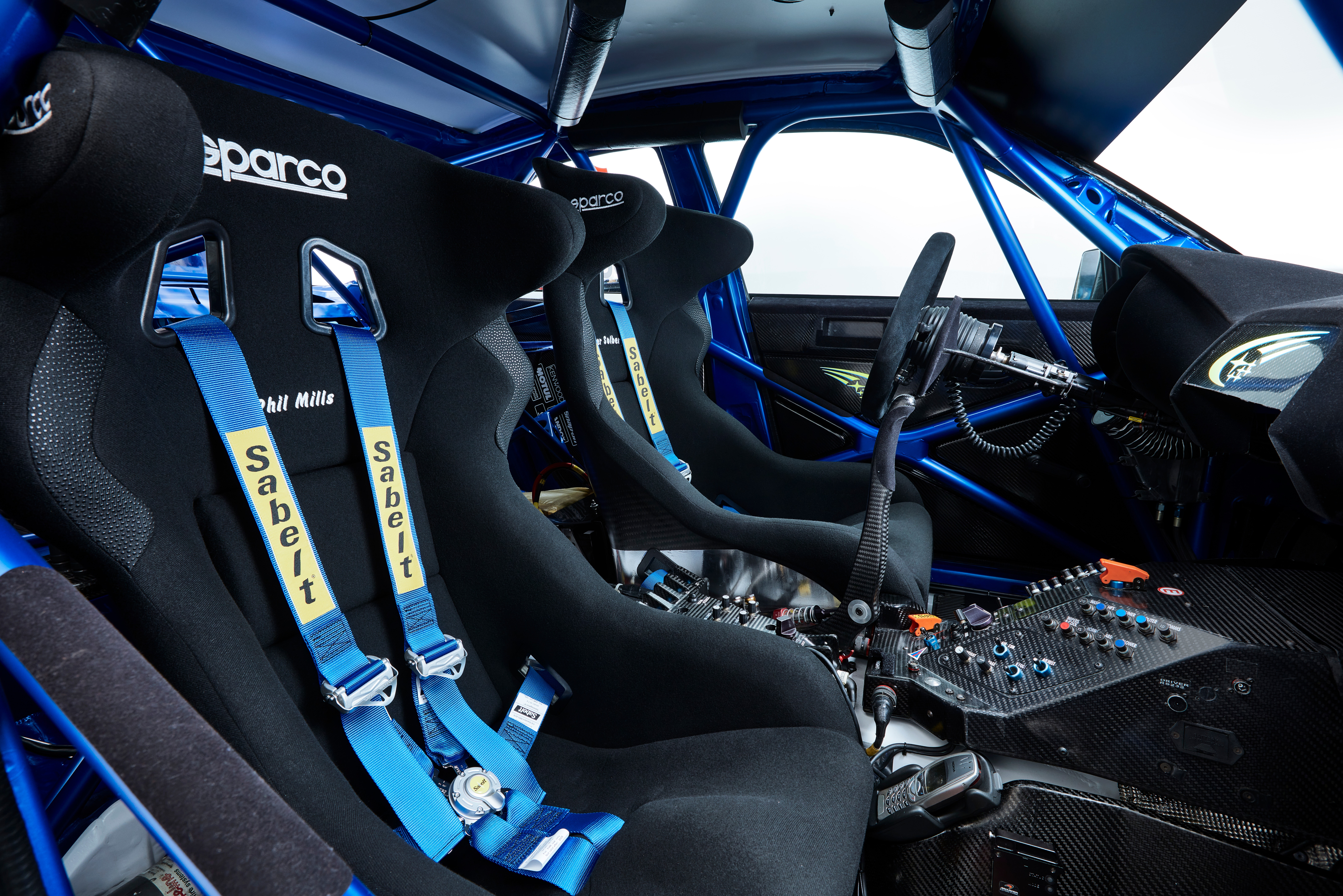
The wiring loom was also given the onceover. The TAG electronic control unit was state of the art, providing launch control to ensure the 1994cc four-cylinder EJ20 boxer engine could scarper off the line as Solberg and team-mate Mikko Hirvonen banged through the six-speed paddle-shift gearbox. But as Dickie Stanford, formerly of Williams Heritage, will attest with the protracted recommissioning of the FW14B, period electronics are particularly ‘charming’. Gizmos from the 1990s and 2000s tend only to talk to laptops of the same vintage. Fortunately, they were in storage at Prodrive and could be dusted off for the Impreza.
Brown adds: “We’re lucky. We’ve got all the computers to be able to communicate with the car, to remap the engines if we want to make them more user-friendly.”
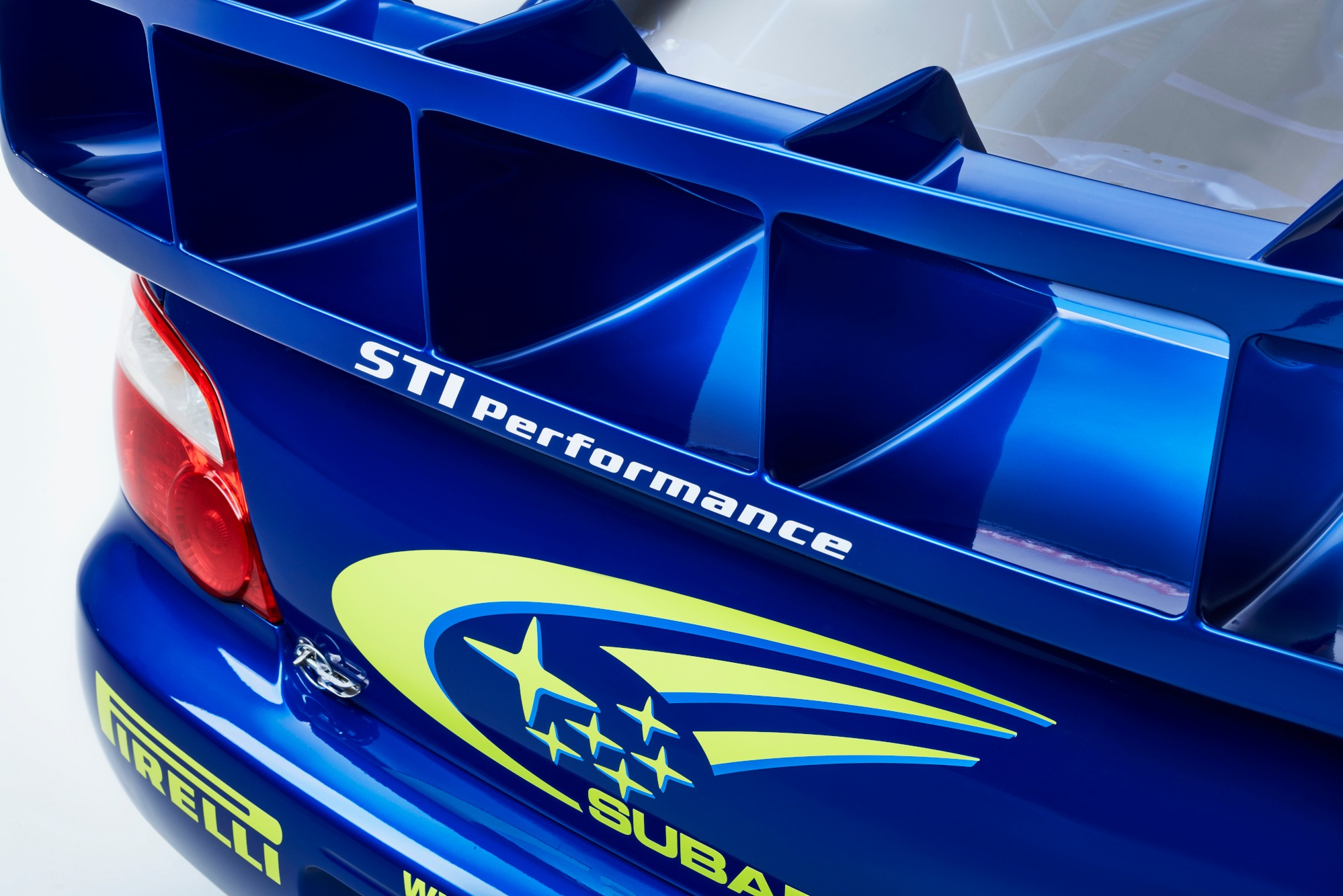
Those were some of the sweeping brushstrokes for the restoration taken care of, but the true beauty was to be found in the details with 04008 as it came to wear its famous blue-and-fluorescent-yellow livery once again. Brown explains: “The car went over to the paint shop, and we’re lucky because we still use the same guy that painted them back in the day. The same graphics guy, too!
“At that time there was a big push on weight-saving, so they didn’t use lacquer for 2004. When you’re looking inside the car, it looks really like a matte finish, but that’s how it was. The guys knew all of that for the restoration because they could remember it first-hand. It makes it so much easier. It’s authenticity over looks.
“Not all Prodrive cars are like that. The early cars had the same paint inside as outside. For each car, we follow the build spec as closely as we can. We also had the correct aluminium and steel bolts for the door hinges.”
Prodrive Legends went further still in perfecting the minutiae. A Nokia 6310 phone, as Solberg used to communicate with the team in the service park back in 2004, was returned to the car. Howarth also dug out an example of the wooden keyring – given by STI Japan personnel to Solberg and Mills as a lucky charm – so it could be added. As Brown reckons: “That’s one of the things that makes bringing cars to Prodrive Legends unique. No one else would know that.”
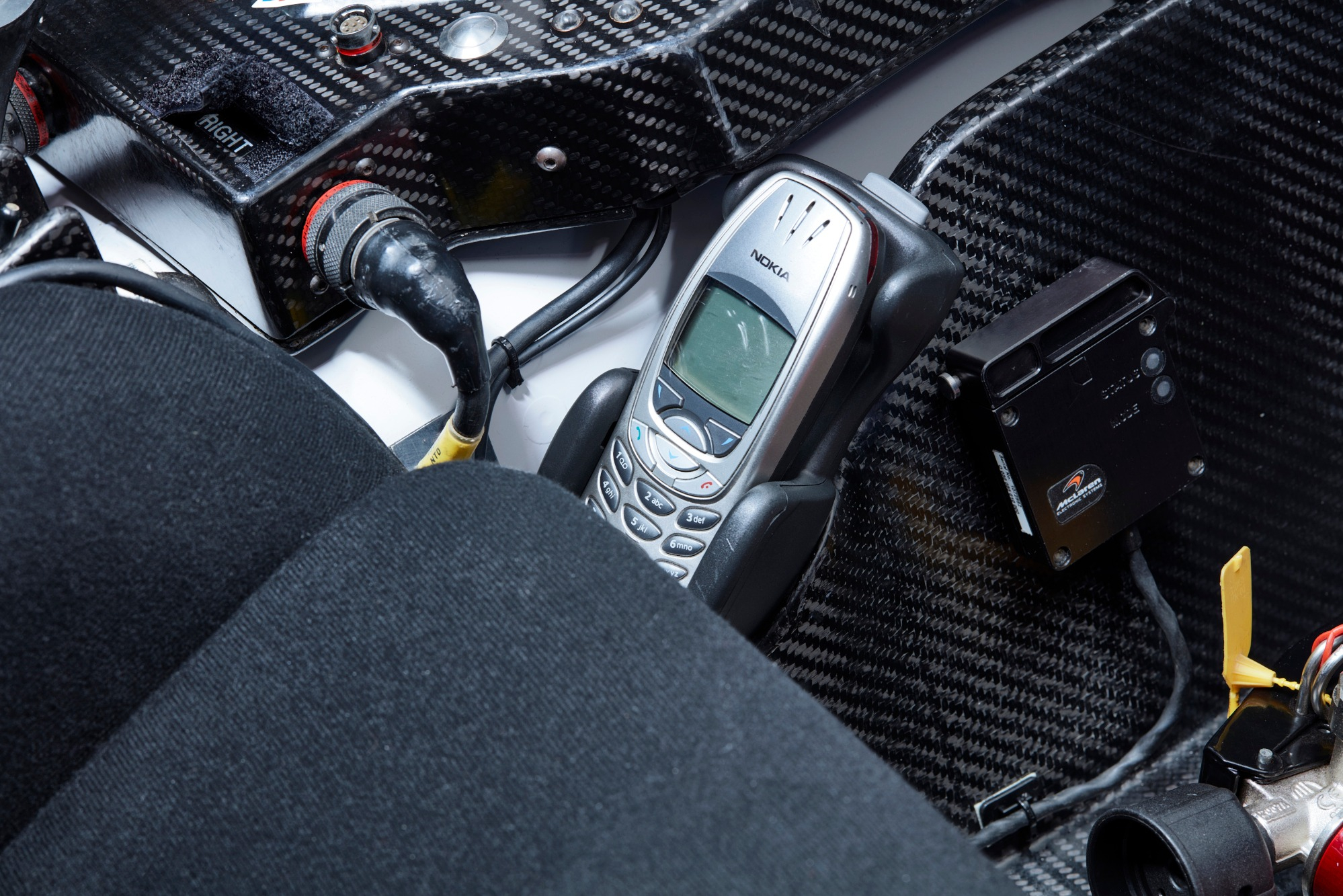
In a similar vein, the door pockets on 04008 have been positioned not to ‘generic’ Subaru Impreza WRC2004 spec, but to the placement preferred by Solberg specifically. A roll of tank tape has even been thrown in, as used 17 years ago on Rally Japan to be affixed to the windscreen to block out any dappled sunlight poking through the forest trees. Sourcing a set of period tyres, harnesses and an original jack – even ensuring the pedal box and FIA camera housing on the roof are back to how they left the factory – seem like mere formalities by comparison.
All told, it’s taken a year for the restoration of 04008 to be completed, but that’s a bit of an unrepresentative timescale brought about by delays caused by the events of the past year. And in the final months since Christmas, Prodrive Legends has enjoyed equal space with the Dakar Rally programme in the workshop, with the race team crew chipping in when in need of downtime between events.
Rebuild complete, Prodrive Legends undertakes a shakedown of all the cars on the local Turweston airstrip, just over the hedge from the Bill Gwynne Rallyschool International.
"If we went off on a tangent, it’s not really an original car, which is the whole premise behind Prodrive Legends" Andy Brown
“We actually run all the cars before we strip them,” explains Brown. “Then we can take the data out of it, analyse that and then when it’s rebuilt, we do a full systems check, commission everything and we just run through it all as if we were preparing for an event.”
While there are plans afoot for Solberg to be united with 04008, the owner doesn’t intend to rally the finished S10. But Brown expects the subsequent S11 and Legacy restorations – with another two rebuilds in the pipeline – will get a run-out for Rallyday at Castle Combe and appear at Goodwood in time.
Such is the success of Prodrive Legends’ initial foray that it’s brought about slightly unexpected results. Brown and his team have been asked to travel to complete authenticity reports on cars that are being restored by rival services. Some customers have gone further and requested their non-Prodrive machines receive similar treatment. But with “several hundred” works cars built over the past 37 years, finding their whereabouts and building up the in-house database is the first priority.
Prodrive Legends has gathered pace away from the rallying world too. The advent of the Masters Endurance Legends series for 1995-2016 prototype and GT machinery has led to Aston Martin Vantage GTE cars resurfacing for a makeover. Likewise, a couple of V12s have been extricated from their 2001 Ferrari 550 GT1 housing for a nip and tuck. Enquiries about recommissioning the E30 M3s that Brown originally worked on have also landed.
But Prodrive Legends is keen to avoid one of the tropes of historic racing. In a world where AC Cobras and Jaguar XK-engined kit thunder around the Goodwood Motor Circuit for the Revival several seconds faster than in their heyday, Brown and Howarth have little interest in chasing performance developments that are out of character.
“There’s the technology out there to improve the cars,” concludes Brown. “But no, because if we went off on a tangent, it’s not really an original car, which is the whole premise behind Prodrive Legends. Think of it like kind putting new windows in your house: you’re protecting your investment, but the blueprints haven’t changed.”


Marko: Perez improved F1 form because 2025 contract talks are at stake

Russell explains how low-fuel runs expose Mercedes F1 inconsistency

Leclerc: No answer for "once in a season" Japan F1 qualifying struggle

Sainz: Now time to "speed up" talks to find 2025 F1 seat

Hamilton: Vettel an "amazing option" as Mercedes F1 replacement

Sargeant to race repaired F1 car in Suzuka; no spare Williams until Miami

Pirro leaves role as McLaren F1 academy chief

The impatient pair who’d hoped to be a thorn in Red Bull’s side again

F1 champion Norris completes first full test in McLaren’s Le Mans Hypercar

How Solberg lit up WRC title fight in Chile

F2 adds extra Baku feature race and insists Qatar, Abu Dhabi still on – what does this mean for F1?

Healeys, MGBs and Lotus Elans top Castle Combe Autumn Classic
Subscribe and access Autosport.com with your ad-blocker.
From Formula 1 to MotoGP we report straight from the paddock because we love our sport, just like you. In order to keep delivering our expert journalism, our website uses advertising. Still, we want to give you the opportunity to enjoy an ad-free and tracker-free website and to continue using your adblocker.


Top Comments